

There is nothing worse than facing a plate of what used to be your favorite food and feeling as if you are going to be sick. Treatments for cancer and autoimmune diseases can make even the biggest food enthusiast feel nauseated at the thought of eating, leading to weight loss and exhaustion. Your diet while undergoing treatments like chemotherapy and radiation is a topic too rarely talked about by doctors, yet is some of the most critical information that you need when navigating a diagnosis or treating a chronic condition. Food can not only give you the strength you need to heal, but it can also help ease side effects and help to jumpstart your overall recovery. Let’s talk about your diet after chemotherapy and radiation.

One of the most helpful aspects of your diet after chemotherapy and radiation treatments is timing. It can be hard to eat when the traditional mealtime comes around, so snacking throughout the day is the best way to ensure you get as many nutrients as possible. For example, you can break up small snacks around 10 am, 1 pm, 3 pm, and 5 pm, as well as something during traditional meal times if possible. You can also try to plan meals around eating with people to encourage your appetite. This makes eating in general a lot easier.
An interesting discovery is that eating within an hour after finishing up chemotherapy can improve overall recovery tenfold. If you have a light and nutritious meal as soon as you get home, you might feel better overall for the next two weeks. Some people may find that eating beforehand is also beneficial, such as an hour or two before, so that you have something in your stomach. This may not work for everyone, though, as you might personally feel nauseous if you eat too much before heading to the hospital. Everyone is different, so try out multiple routines to see what works best for you.
Your food choices are also important when considering your diet after chemotherapy and radiation. Many people prefer cool or lukewarm foods to hot ones, as hot foods can trigger smells that may not be tolerated well, leading to nausea or food aversions. At Ginger Hultin Nutrition, the RDN team often suggests smoothies as a really easy way to get nutrition.
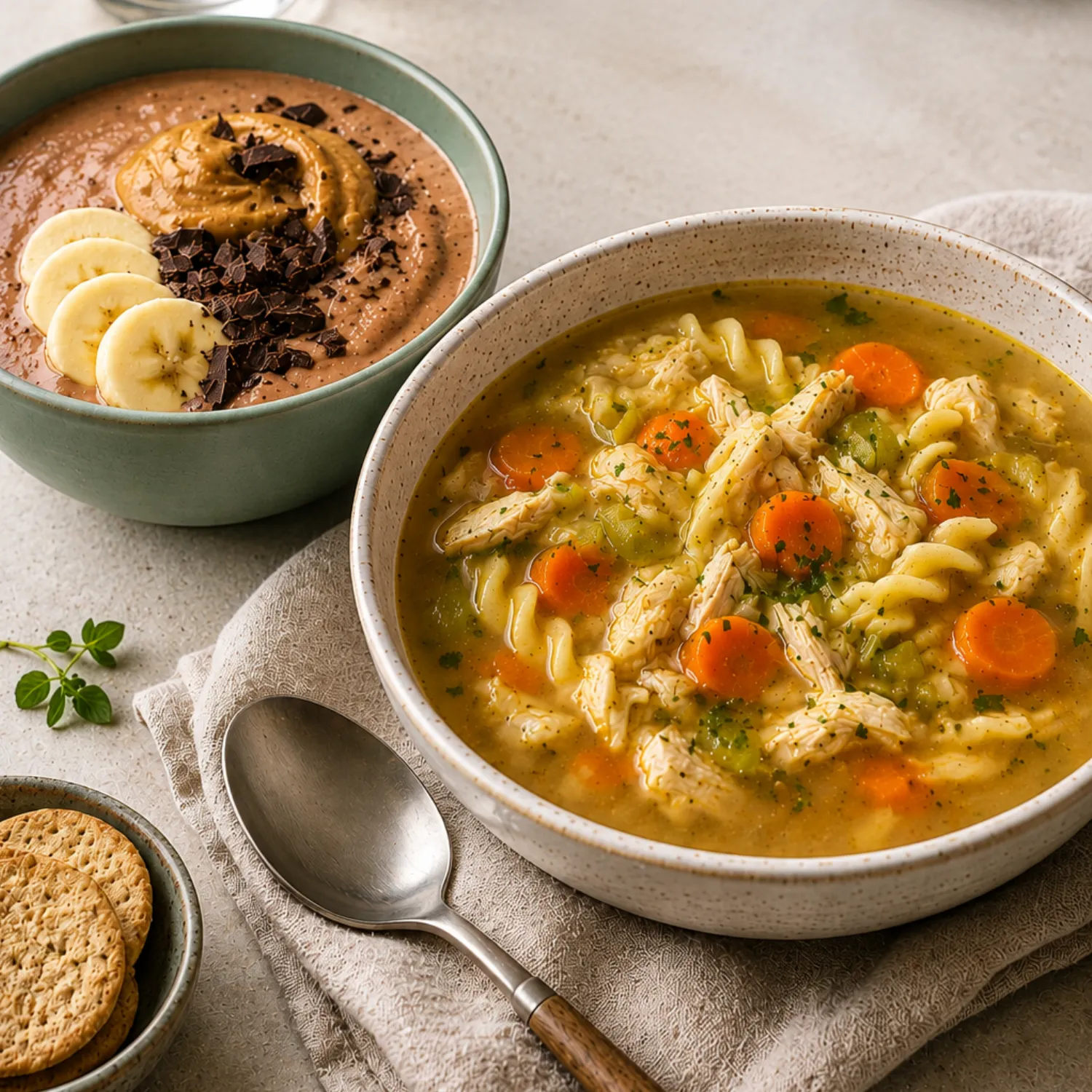
Mild, nutritious foods tend to be the most agreeable for your diet after chemo and radiation. Spicy or overly salty foods can be dehydrating or cause intestinal discomfort. The following are great meal options when breakfast, lunch, or dinner time comes around:
Stanford Medicine has a great list of options for eating before and after chemotherapy if you need more ideas. By eating these basic but nutritious meals, you are giving your body the energy it needs to boost its immune system and promote balanced energy. Not only are these foods nutrient-dense, but many are considered “comfort” foods that you would have in childhood when you were sick. Food should, of course, offer the nutrients you need, but it should also bring you comfort and fond memories when you eat it. Your diet after chemo and radiation should bring you joy whenever possible. Smell and taste are our strongest memory triggers, and what better time to recall feeling safe and taken care of?
So should the foods you eat during cancer be ‘healthy’? Yes! Of course. However, we have to make sure that you’re getting enough calories and protein, and sometimes that means listening to your body and “what do I need today?” “What can I tolerate right now?” My team works with clients to help them eat a balanced, nutritious diet that also makes them feel good every step of the way during treatment. And that can change over time. It’s a journey.
You might find that the food you eat can dramatically reduce your treatment side effects. For nausea, ginger tea could be the only thing that helps, both due to the taste and the ‘heat’ in your stomach. When constipation hits for weeks, black tea and a box of raisins might be the trick. Below is a list of common side effects and the foods that can help alleviate them:
Ginger tea or candy has long been used to soothe the stomach because it contains gingerol, which benefits gastrointestinal motility. Bone broth is packed with nutrients and is easier to keep down when nauseous – remember, you can use plant-based broths, too. Saltines are often the recommended ‘sick food’ by doctors, most likely because they produce no smell, making them easy to eat and replenishing the body with salt after vomiting or when feeling nauseous. Remember, there are lots of different types of crackers - gluten-free, etc - that you can try to see what works best for you.
Carbs such as whole-grain bread help replenish muscle fuel stores in your body. Whole grains also offer a range of nutrients, including fiber, protein, B vitamins, iron, zinc, magnesium and copper. Watermelon is also a great option because it contains the amino acid L-citrulline, which has been shown to soothe aching muscles for athletes (and for folks during treatment!). Legumes like lentils or edamame (check out my edamame pasta salad recipe here) are another great food filled with zinc, which is known universally for its healing properties and supports protein synthesis.
Avoiding acidic and spicy food is the primary goal of treating mouth sores. Eating cold items like ice cream and popsicles helps soothe sore mouths during treatment and provides the necessary nutrients to heal. Smoothies and protein shakes are great because they do not need to be chewed and do not irritate the sores.
The BRAT diet (bananas, applesauce, rice, toast) is often recommended by doctors when you are suffering from constipation or diarrhea. If you’re seeking higher fiber for constipation, choose brown rice and whole wheat toast. If you’ve got diarrhea, less fiber is better, so white rice and white toast are easy to digest. There’s controversy about whether or not that diet is evidence-based. That being said, our team has found that these foods are well-tolerated and can actually help quite a bit. Apple and prune juice contain sorbitol, which is not broken down in digestion and is quickly expelled by the body when it reaches the colon, making them great choices for naturally alleviating constipation.
Oatmeal is a great source of energy because it is high in fiber and protein, and it has a low glycemic index, which means it won’t tank your blood sugar. Packed with potassium, bananas are filled with beneficial vitamins and are a slow-digesting complex carbohydrate, meaning that they will fuel you for hours. Dark chocolate provides a natural caffeine boost and contains a plethora of antioxidants that could be beneficial during treatment.
It’s important to eat food that won’t irritate or cause further side effects from treatment. For example, if you have mouth sores, choose soft foods like yogurt or shakes. If you are experiencing constipation, try to add more fiber to your diet to move your gut along. If you feel nauseous, nibble on a cracker. Be sure not to force yourself to eat foods you enjoy, as this can cause an aversion to them. And of course, be sure that you’re talking to your medical team during all of this, because if a medication causes a side effect, then often you need medications to help treat or alleviate them. Your medical team should be a trusted ally during treatment. You should also have a registered dietitian on your team from the start!
It may sound corny, but listen to your gut (pun intended)! Everyone is different, and no one but you knows what works best for your body. There will most likely be a lot of trial and error as you explore your diet, but what matters is that you are being gentle with yourself and listening to what your body tells you. Working with a dietitian to plan your diet after chemo and radiation will help ensure you are getting the nutrients you need to kick butt and keep your body going during this exhausting time. Remember to check out some of my recipes below:
Cacao Coconut Chia Pudding
Pumpkin Spice Protein Smoothie
Anti-inflammatory Cinnamon Overnight Oats
If you're looking for more guidance on building nourishing meals during and after chemotherapy and radiation, check out my book, Anti-Inflammatory Plant-Based Eating 101. It includes practical nutrition strategies, simple recipes, and meal-planning tools to help you incorporate more anti-inflammatory foods into your routine. Whether you're managing treatment side effects or focusing on recovery, this resource can help make fueling your body more approachable.
GINGER HULTIN NUTRITION SEATTLE
158 SW 148th St #1012
Burien, WA 98166
Phone: 509-557-0545
Fax: 206-539-0062
Ginger@gingerhultinnutrition.com