



Magnesium is known as the “master mineral” because it is directly involved in so many essential processes in the body. Deficiencies are associated with a variety of symptoms, including muscle cramps, depression, and fatigue. Magnesium is a part of key enzymes, or chemicals in the body that help regulate energy within the cells. It is also an important nutrient for bone and nerve health. Up to 75% (1) of people are not getting enough magnesium in their diets and this leaves many people wondering if magnesium is good for sleep, how it impacts their health, and even if it’s causing their muscle cramps at night. I don’t want this to happen to you!
In this blog you’ll learn if you are at risk for deficiency, and what to do about it. If you are just here for some recipes featuring magnesium-rich foods to make eating more easy and delicious, check these out:
If you’ve ever suffered from fatigue, migraines, depression, or muscle cramps, read on to find out if you might be at risk for a magnesium deficiency.
Magnesium is absorbed in the small intestine. Disorders that damage the digestive tract and interfere with nutrient absorption, including celiac, Crohn’s, and IBD, increases your risk for a magnesium deficiency. Women (2), older adults, and adults with type II diabetes are also at higher risk. It’s easy to fall below the recommended 300-400 mg/day intake if you aren’t getting enough variety in your diet. Chronic diseases, which already contribute to fatigue and sleep loss, can further reduce your intake and absorption of magnesium. With all these factors, it’s important to examine how magnesium is good for sleep.
Signs you could be in trouble include muscle twitching or cramps, mental health disorders like depression, fatigue, weakness, and irregular heartbeat, among others. Since magnesium is essential for the metabolism and absorption of vitamin D and calcium, a deficiency can lead to osteoporosis (a disease where bone lose their density and are at increased risk of breaking).
Magnesium is found mostly within the cells, muscles and bones, not floating around in the blood, so getting a blood test isn’t always the best way to determine if you’re getting enough. A doctor will diagnose hypomagnesemia (low magnesium) based on numerous factors, including symptoms, history, physical exam and a blood test.
The minimum recommended daily allowance for magnesium is 310-320 mg for women and 400-420 mg for men. If you eat a whole foods-based diet rich in unprocessed food, you are likely getting enough but many Americans aren’t meeting their needs due to a low-quality, highly processed diet. For example, whole wheat is rich in magnesium, but when it is processed, the germ and bran are removed, leaving white flour for crackers, bread, pasta and baked goods devoid of this important mineral.
Have you been feeling tired, even after getting many hours of sleep? A magnesium deficiency may be affecting the quality of your sleep. Magnesium is involved in multiple neurotransmitter pathways, which are chemical messengers that transmit signals throughout the body. Magnesium helps limit neurotransmitters associated with stress and anxiety (3), which may improve sleep quality. A 2022 study (4) found that people consuming enough magnesium (whether through their diet or supplements) reported longer sleep duration (meeting the recommended 7-9 hours) and better sleep quality.
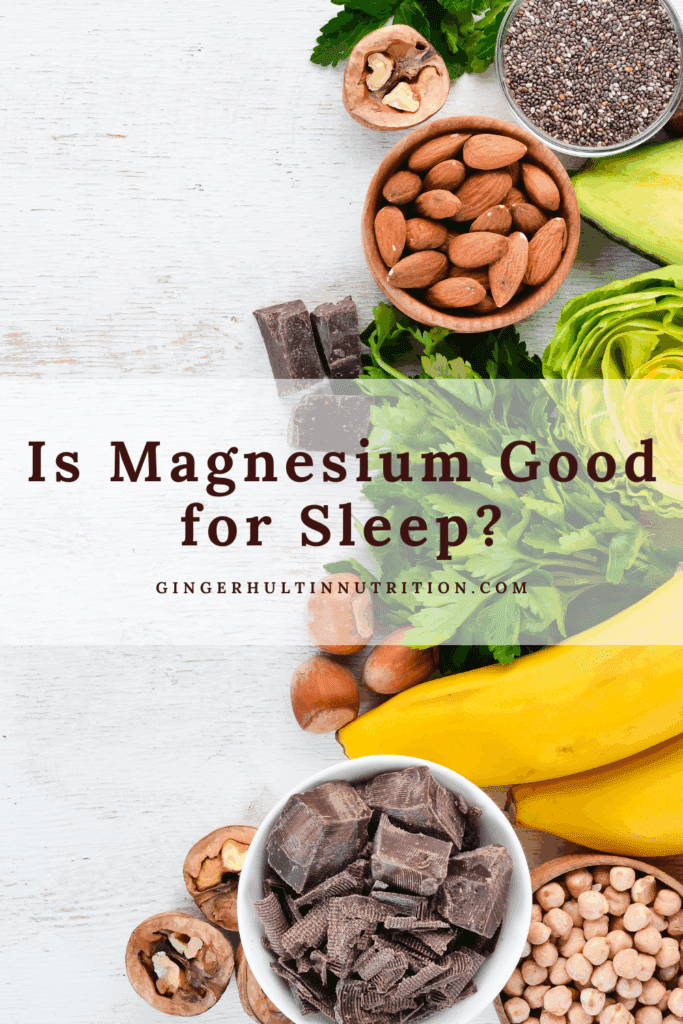
Magnesium is plentiful in a variety of fruits, vegetables, nuts, seeds, and whole grains. Toxic effects have not been identified from eating food sources rich in magnesium, so if you love these healthy foods, no need to hold back.
Reach your 300-400 mg daily intake by including the following foods in your diet:
Peanut butter sandwich on whole wheat
Overnight oats, banana & hempseeds
While higher levels of magnesium are associated with better health outcomes, it is unclear whether this can be achieved using magnesium supplements. Most of the information we have is on magnesium-rich diets, which tend to be rich in other vitamins and minerals. Magnesium works synergistically with other nutrients, so it is best to consume magnesium-rich foods when possible. It is best to discuss with a trusted healthcare provider if a magnesium supplement is right for you.
If you have worries about meeting your magnesium needs or any other vitamin or mineral, it’s time to talk. Reach out to me here and we’ll discuss!

GINGER HULTIN NUTRITION SEATTLE
158 SW 148th St #1012
Burien, WA 98166
Phone: 509-557-0545
Fax: 206-539-0062
Ginger@gingerhultinnutrition.com