

If you or someone you love is going through cancer treatment or recovering from illness, maintaining weight or gaining back weight that has been lost may feel urgent. Side effects like nausea, appetite loss, taste changes, mouth sores, and fatigue can make eating solid food difficult. In these situations, high calorie drinks and weight gain strategies often go hand in hand.
As an oncology dietitian, I frequently use high calorie beverages as a practical nutrition intervention to help clients stabilize weight, preserve muscle, and stay strong enough to continue treatment. This guide walks through different types of high calorie drinks, their pros and cons, and how to choose what works best for you.
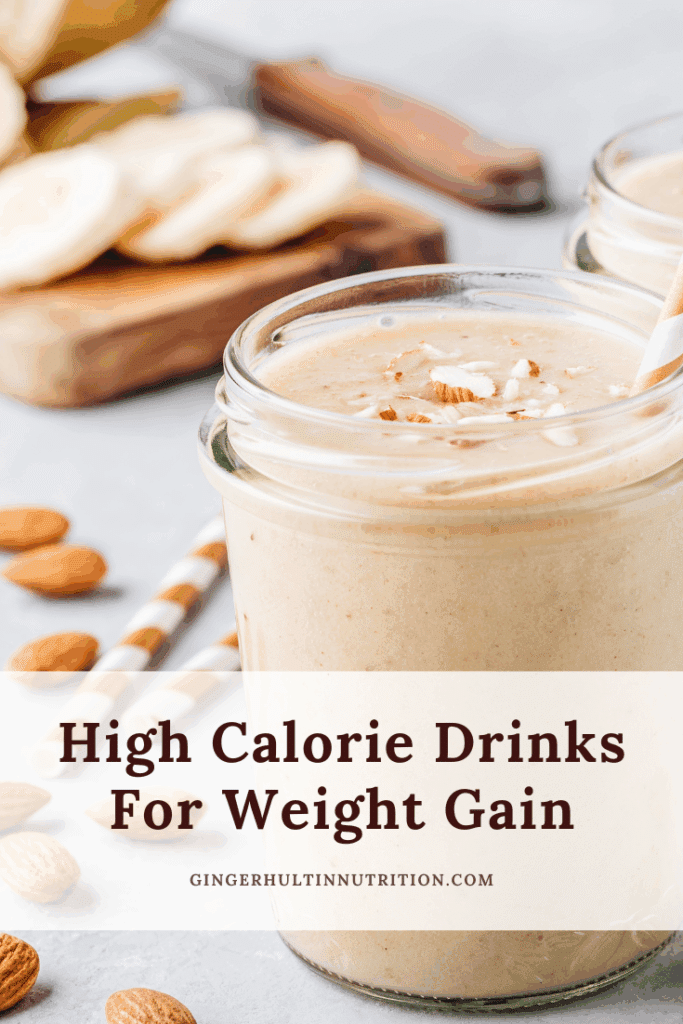
When appetite is low, drinking calories can feel easier than eating a full meal. Liquid nutrition can:
High calorie drinks are not meant to replace meals long term. Instead, they provide strategic support when intake is inconsistent.
Shelf-stable protein drinks are widely available and convenient. For clients experiencing fatigue or long infusion days, they can be extremely helpful. However, ingredient quality, sugar content, and tolerance vary. Always review options with your dietitian or medical team to determine what fits your needs.
Here are common options.
Often recommended in hospital settings because it is affordable and widely available.
Pros:
Cons:
Accessibility matters, especially during treatment.
Plant-based and certified organic, Kate Farms offers specialized medical nutrition formulas.
Pros:
Cons:
For many clients, this is a preferred higher-quality option.
Founded by a cancer survivor, Orgain focuses on ingredient quality and flavor.
Pros:
Protein powders allow you to create customized high-calorie smoothies at home.
Sugar-free and sweetened with monk fruit.
Pros:
For clients managing treatment-related blood sugar changes, this can be a helpful option.
Yogurt-based drinks can support high-calorie drinks and weight gain while also delivering protein, calcium, probiotics, and vitamin D.
However, many contain added sugar. The American Heart Association recommends limiting added sugar to:
Always check labels.
High-protein options are available, including lower-sugar varieties.
Pros:
Texture may feel thick for some individuals.
Kefir is a fermented milk drink rich in probiotics.
Pros:
Some people experience temporary bloating when first introducing kefir.
Organic smoothie-style yogurt drinks.
Pros:
Cons:
If mouth sores are present, frozen yogurt-based recipes can be soothing. My Frozen Green Tea Yogurt Cups are one example that provides protein while being gentle and cooling.
Milk, whether dairy or plant-based, can significantly increase calorie intake when added to smoothies, oatmeal, or protein drinks. The best choice depends on your tolerance, goals, and treatment plan.
Options include soy, almond, oat, and coconut.
Pros:
Cons:
For weight gain, soy milk is typically the highest in protein among plant-based options. Choose unsweetened varieties when possible. Here are some recipes for using plant-based milk as a base for delicious, anti-cancer recipes:
Naturally high in protein, calcium, vitamin D, and B12.
Calorie comparison per cup:
For short-term weight gain during treatment, whole milk can be helpful because of its higher calorie content. Longer term saturated fat intake may need adjustment depending on individual risk factors.
Store-bought drinks offer convenience, portability, and minimal preparation. Homemade smoothies allow greater control over ingredients and calories. You can add:
Small additions can significantly increase calorie intake without increasing volume.
If energy is limited, pre-made drinks are completely appropriate. Both options can support high calorie drinks and weight gain goals.
High calorie drinks can help maintain strength during cancer treatment. They are especially useful when:
They should be seen as supportive additions, not long-term meal replacements.
Whenever possible, aim for balanced meals that include fiber, protein, and whole foods alongside liquid nutrition.
Weight maintenance during cancer treatment is not about perfection. It is about preserving strength, protecting muscle mass, and staying nourished enough to continue care. High calorie drinks and weight gain strategies can provide meaningful support when appetite is unpredictable. The best option is the one that works for you, your symptoms, your preferences, and your treatment plan.
If you need personalized guidance on stabilizing or gaining weight during treatment, working with an oncology dietitian can help you build a plan that supports your health and recovery. You can schedule an appointment with me here whenever you’re ready.
GINGER HULTIN NUTRITION SEATTLE
158 SW 148th St #1012
Burien, WA 98166
Phone: 509-557-0545
Fax: 206-539-0062
Ginger@gingerhultinnutrition.com