

Spring brings longer days, blooming plants, and for many people, frustrating seasonal allergies. If you deal with sneezing, congestion, itchy eyes, or sinus pressure every year, you’re not alone. I experience grass allergies myself each spring, so I’m always looking for evidence-based strategies to support symptom relief.
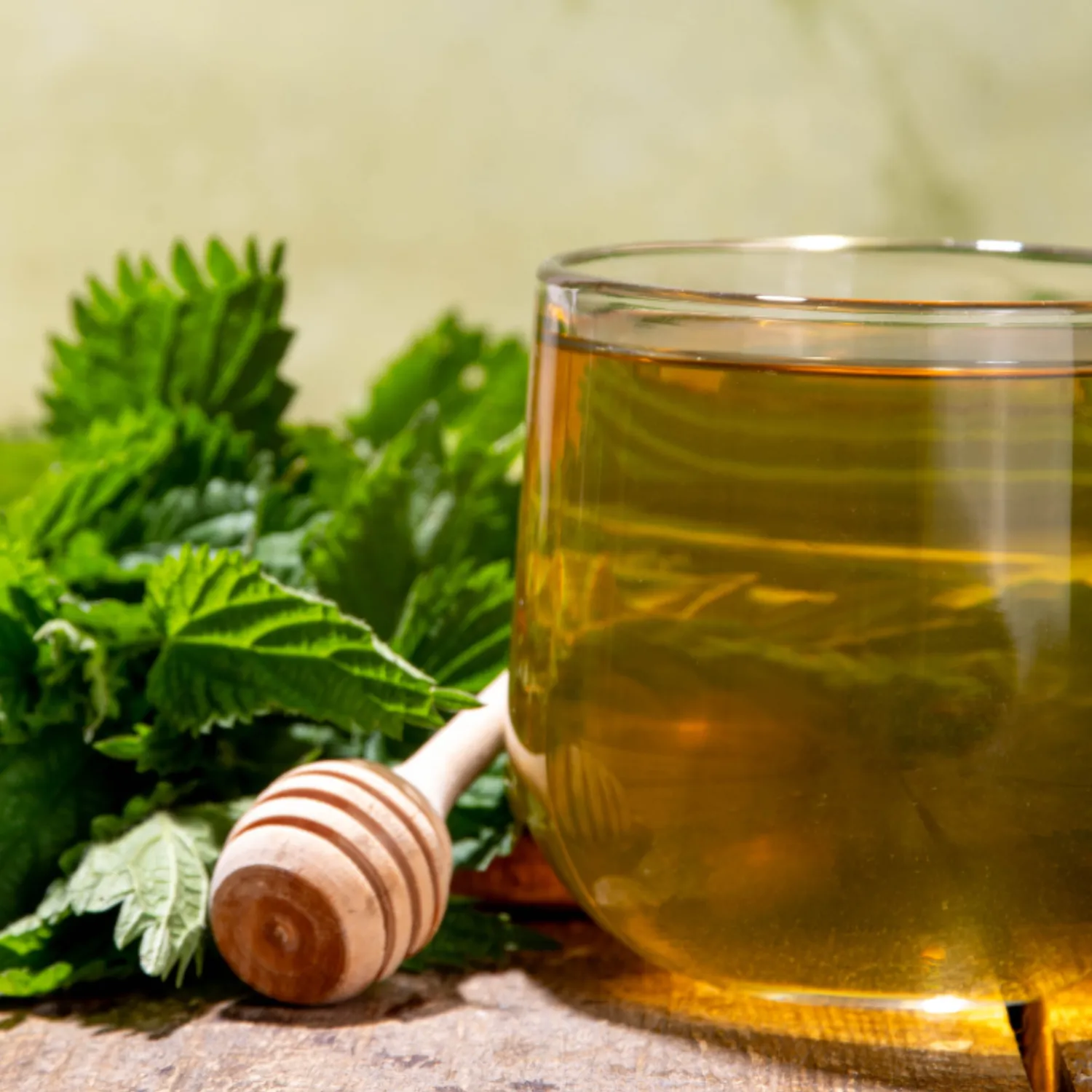
One natural option that often comes up is stinging nettle. Nettles for allergies have been used traditionally for centuries, and emerging research suggests they may help modulate inflammation and histamine activity. Let’s take a closer look at what the science says, how nettles work, and how to use them safely.

Stinging nettle (Urtica dioica) grows in many regions around the world and has a long history of use in herbal medicine across Europe, Asia, Africa, and North America.
Both fresh and dried nettles contain:
Once cooked or dried, the “stinging” compounds are neutralized, making nettles safe to consume in teas, soups, and other recipes.
Seasonal allergies occur when the immune system reacts to environmental allergens like pollen. This triggers mast cells to release histamine, leading to:
Research suggests compounds in nettles may:
✔ Inhibit inflammatory pathways
✔ Interact with histamine receptors
✔ Support immune regulation
Because of these effects, nettles are commonly used as a complementary approach for allergic rhinitis.
Important note: Nettles are not a replacement for prescribed allergy medications, but they may be part of a broader nutrition and lifestyle plan.
In addition to potential allergy support, nettles provide:
This makes nettles a nutrient-dense seasonal green, similar to spinach or kale.
Nettles in food form (tea, cooked greens) are generally safe for most people. However, nettle supplements may:
They may interact with medications for:
Always talk with your healthcare provider before starting nettle supplements, especially if you take medications or have a chronic condition.
Fresh nettles can cause skin irritation- wear gloves and protective clothing when harvesting.
Looking for practical ways to include nettles in your routine?
A classic option. Use dried nettle leaves or tea bags. Heat neutralizes the sting.
Blend cooked nettles with garlic, olive oil, nuts, and lemon.
Prepare with olive oil, garlic, and a squeeze of lemon.
Combine with onion, potato, and vegetable broth for a nutrient-rich dish.
Swap nettles for spinach in scrambles or omelets.
If you’re foraging:
Proper handling prevents the temporary rash caused by fresh nettle hairs.
Current research suggests nettles may help support:
They are best used as part of a comprehensive allergy plan that may include:
Nettles for allergies offer a nutrient-dense, traditional approach that may help modulate inflammation and histamine activity. While they’re not a cure, they can be a useful complementary strategy for some people.
If you’re considering nettles in supplement form, work with a registered dietitian or healthcare provider to ensure safety and appropriate dosing.
If you’re interested in functional foods and natural remedies, you may also like:
Looking for more evidence-based nutrition strategies for inflammation, immune health, and seasonal symptoms?
Sign up for my newsletter for monthly recipes, research updates, and practical dietitian tips.
GINGER HULTIN NUTRITION SEATTLE
158 SW 148th St #1012
Burien, WA 98166
Phone: 509-557-0545
Fax: 206-539-0062
Ginger@gingerhultinnutrition.com