

Perimenopause and inflammation are more connected than most people realize. If you’re in your late 30s or 40s and thinking, “Why does my body feel different lately?” - you’re not imagining it.
As estrogen begins to fluctuate and gradually decline, inflammation in the body can rise. That shift can show up as hot flashes, sleep changes, mood swings, brain fog, or even changes in cholesterol and body composition.
Many women respond by trying to “clean up” their diet, but sometimes the changes they make can actually work against them.
Let’s talk about perimenopause and inflammation in a practical way and walk through 10 common anti-inflammatory diet mistakes to avoid.

Metabolism slows slightly during perimenopause. Research suggests calorie needs may decrease by about 200 calories per day.
But this does not mean extreme restriction or needing to cut calories.
Drastic dieting or cutting calories increases stress hormones, disrupts muscle mass, and may worsen inflammation. Chronic under-eating can also intensify hot flashes and mood instability.
This is a time to focus on nourishment, not deprivation.
Perimenopause often brings gradual muscle loss for many people.
Lower muscle mass contributes to further metabolic slowdown and increased inflammation. Strength training and adequate protein intake are critical in making this happen.
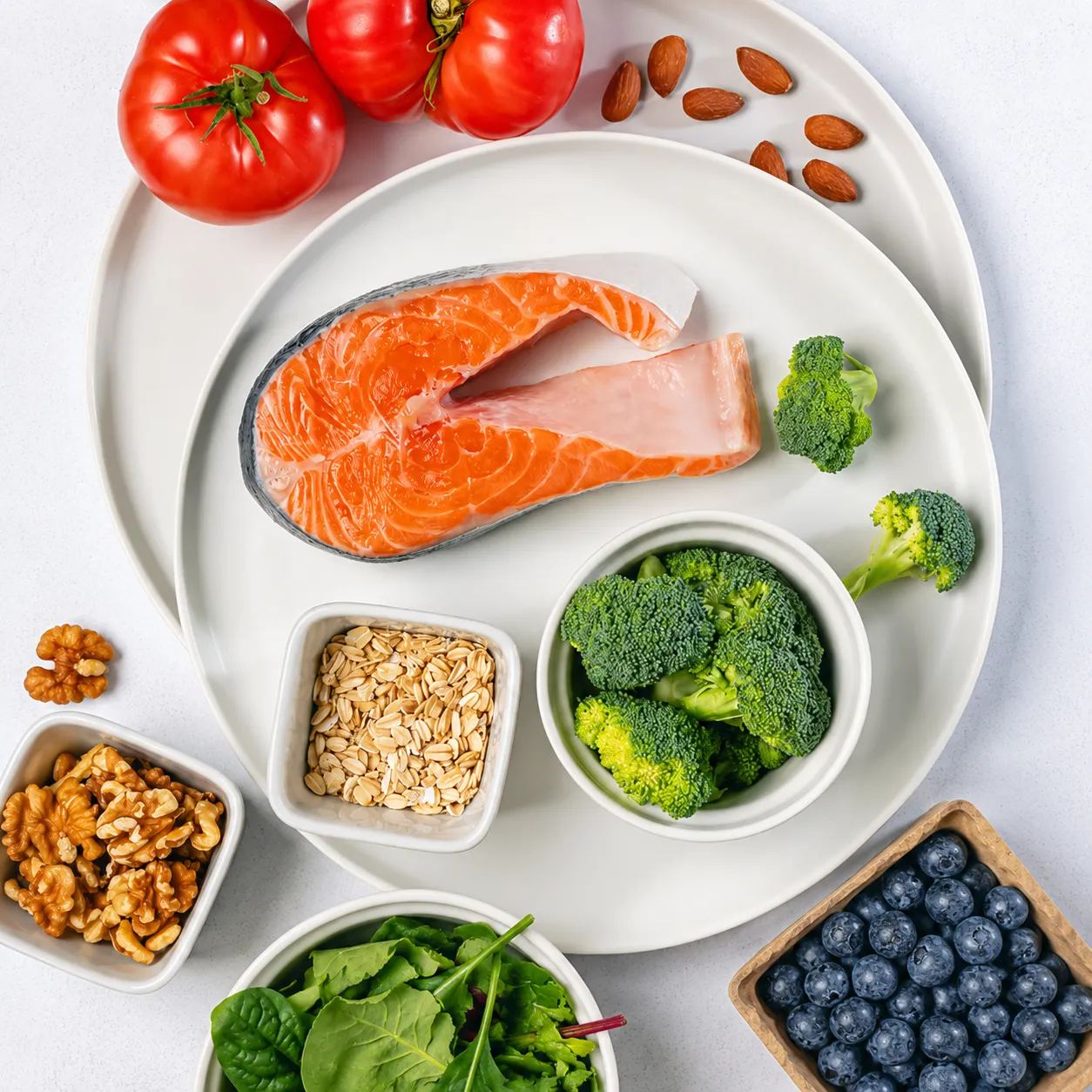
It’s important to aim for protein at each meal, especially from plant-based sources such as beans, tofu, lentils, nuts, and seeds, as well as fish and eggs.
Muscle is protective for your metabolism.
Fiber is one of the most powerful anti-inflammatory tools available.
A higher fiber intake supports gut bacteria, helps lower LDL cholesterol, and reduces the risk of heart disease and type 2 diabetes.
During perimenopause and menopause, inflammation levels often rise. Fiber helps counteract that.
Fiber-rich foods include:
Most women are not meeting fiber needs.
Phytoestrogens (the antioxidants in soy foods) have been misunderstood.
Plant-based estrogens found in soy do not function the same way as human estrogen. Current research shows that moderate soy intake does not increase breast cancer risk.
In fact, phytoestrogens may support heart health and reduce inflammation.
Tofu, edamame, soybeans, and tempeh can be beneficial additions during perimenopause!
Omega-3 fatty acids help calm inflammatory pathways.
They may support:
Omega-3-rich foods include:
Inflammation increases during menopause. Omega-3 intake help regulate it.
Estrogen decline accelerates bone loss.
One in three menopausal women is at risk for osteoporosis. Calcium needs increase from 1,000 mg per day to 1,200 mg per day after menopause.
Vitamin D supports calcium absorption and immune function. The only way to really understand your vitamin D needs is to ask for a blood test from your physician. Read more about vitamin D in my blog post here.
Foods rich in vitamin D include:
Testing levels and supplementing when needed can be protective.
Perimenopause can increase the risk of dehydration.
Hormonal shifts alter thirst signals and fluid balance. Even mild dehydration can worsen fatigue, headaches, and brain fog during perimenopause.
Water supports detoxification, digestion, and maintaining a healthy inflammatory balance.
Hydration is foundational and many people fall short. An easy first goal is to aim for 8-10 (8oz) cups per day. Some people need more - up to 12-15 cups.
Added sugar increases inflammatory response when consumed at high levels.
The recommendation is to limit added sugar to 25 grams or fewer per day (about 6 teaspoons).
Many beverages and flavored yogurts (and other foods!) exceed that in a single serving.
Reducing added sugar helps manage inflammation and cardiovascular risk during perimenopause.
Sodium sensitivity can increase during menopause which is also a time where cardiovascular risk goes up, as well.High sodium intake contributes to elevated blood pressure.
Aim for less than 2,300 mg daily. Some women benefit from closer to 1,500 mg per day.
Flavor foods with herbs and spices instead of relying on packaged or processed foods. Salt-shaker aside, most of the sodium we consume actually comes from foods that its already in - think pizza, soups, frozen meals, etc.
Hormonal changes reduce alcohol metabolism and many women find that they can no longer tolerate much alcohol at all into their 40’s or 50’s.
Alcohol can worsen:
Caffeine may increase hot flashes and anxiety in some individuals.
A 2–4 week experiment reducing or eliminating these triggers can provide clarity on if they’re causing problems for you.
If you’re looking for practical ways to reduce inflammation through food, here are a few reader favorites:
Tofu with Broccoli in Peanut Sauce
Mango Chia Pudding
Vegetarian Lasagna Casserole
Browse my full anti-inflammatory recipe archive here.
Perimenopause is a natural transition, but it also brings a rise in systemic inflammation. As estrogen fluctuates and gradually declines, changes in metabolism, bone health, cholesterol levels, and body composition can follow.
Changes in body composition during perimenopause are normal. Instead of fighting them, this phase can be about protecting your heart, bones, brain, and long-term well-being.
Hormonal shifts during perimenopause and menopause can affect inflammation and nutrient needs, making nutrition and movement powerful tools for support. If you’d like help identifying what may be happening in your body, click here to receive my Hormone Symptom Checklist to recognize common symptoms and explore next steps. If you’re experiencing persistent symptoms, consider talking with your healthcare provider about personalized options and referrals.
If you’d like individualized nutrition guidance, working with a registered dietitian can help you create a plan that fits your body and your life.
GINGER HULTIN NUTRITION SEATTLE
158 SW 148th St #1012
Burien, WA 98166
Phone: 509-557-0545
Fax: 206-539-0062
Ginger@gingerhultinnutrition.com